What is the best boat tour in Naples, Florida?
A private charter out of Naples Bay is the best boat trip in Naples: you set the route, so you can combine Gordon Pass, the Port Royal canals, dolphin water and a Keewaydin Island beach stop in one afternoon rather than following a fixed loop.
Key facts
- Almost all Naples boat trips leave from Naples Bay, between Tin City and Gordon Pass.
- Half a day is the sweet spot: enough time for the pass, the islands and a swim stop.
- Morning water is calmest; evening trips trade calm for the sunset.
- Keewaydin Island and Gordon Pass are the two destinations worth planning around.
Verified on the ground in Naples, Florida. Last reviewed .
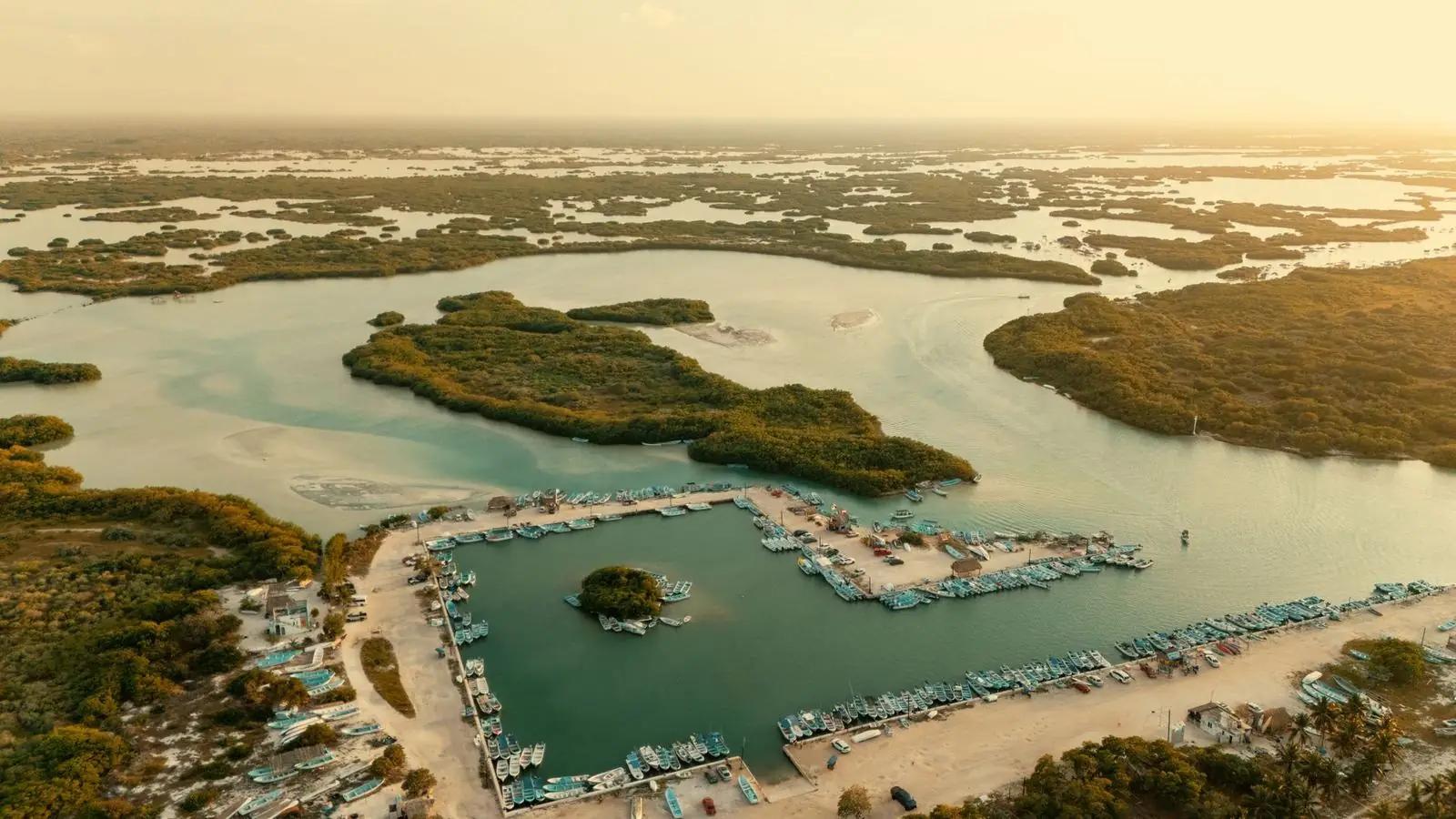
Naples was built facing the Gulf, but the interesting water is behind the beach: Naples Bay, Gordon Pass, Rookery Bay, Dollar Bay, the back side of Keewaydin, and the endless mangrove maze that becomes the Ten Thousand Islands as you head south. None of it is reachable on foot.
What works here is a small captained boat out of Naples Bay — six people, priced per boat, and routed on the day around tide and light. Naples Luxury Boat Tours runs four versions of that, and choosing between them is really just choosing how long you want to be out and what you want to be standing on.
1. Two hours: Port Royal canals
The slow loop through Naples Bay and the canals of Port Royal — waterfront estates, private docks, banyan gardens, none of it visible from the street grid. It is also the quickest way to understand how this city is laid out.
- Best for: first visits, short afternoons, guests who don't want a long day.
- Typical cost: from around $550 for the boat, up to six aboard.
- Timing: late afternoon light beats midday for the houses. Departure times
2. Three hours: Gordon Pass & north Keewaydin
South through the bay, out Gordon Pass where the resident dolphins work the tideline, then onto the north end of Keewaydin Island for a walk and a swim before turning back.
- Best for: families, first trips, anyone with small children aboard.
- Typical cost: from around $595 for the boat.
- Timing: morning for calm water and dolphins on a moving tide.
3. Five hours: the shelling day
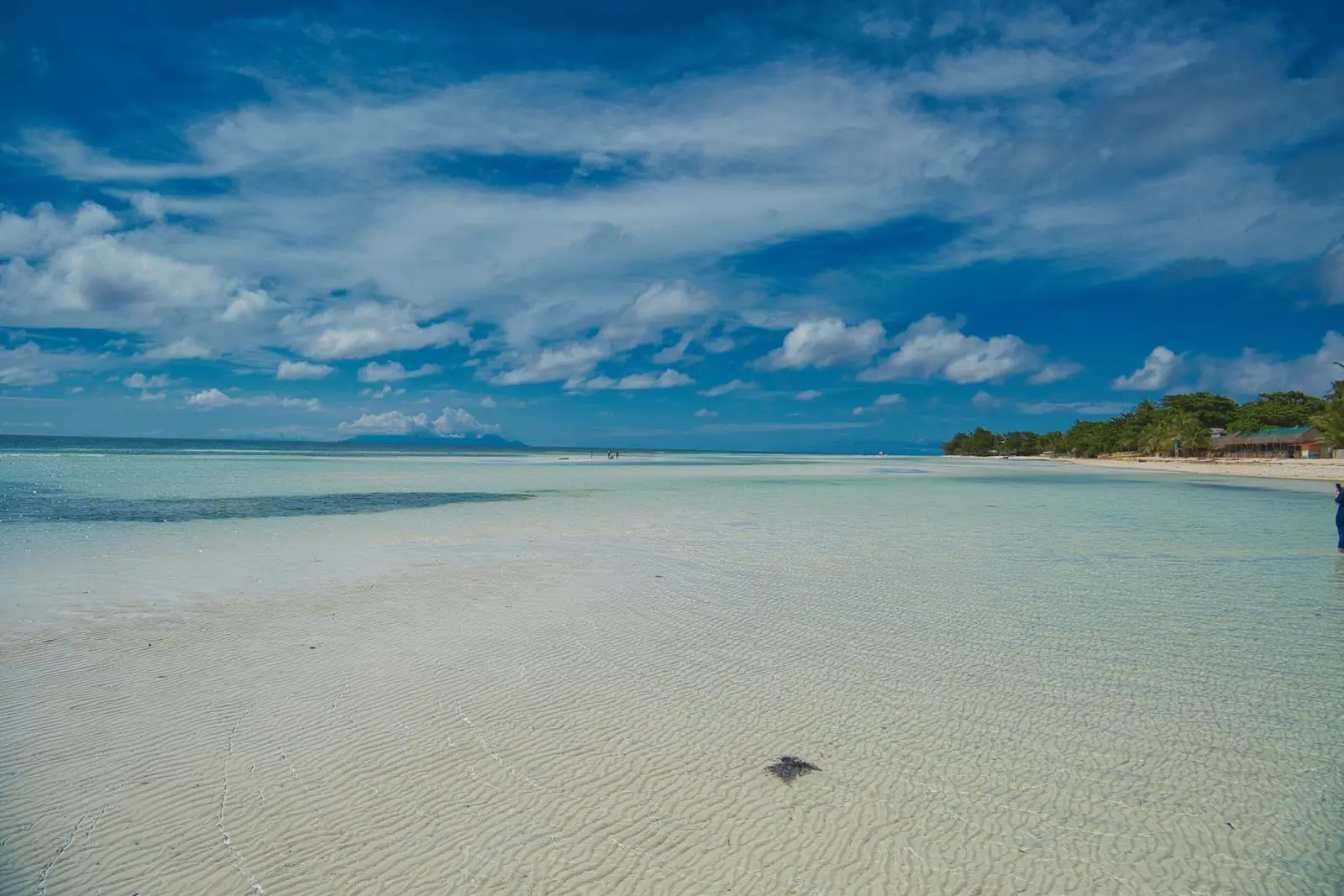
The long version runs far enough down Keewaydin that you are genuinely alone, timed so you're walking the shell line on a falling tide. Chairs, shelling bags and buckets come aboard; the captain moves you if the wind turns.
This is the format that makes Naples click for most visitors: you set the departure time, you stop at a sandbar and swim, you land on an island with no footprints, and someone else reads the tide so you don't have to. Routes, boat size and half-day rates are published openly, which most operators here don't do.
- Best for: shell hunters, couples, small groups making a day of it.
- Typical cost: priced per boat for the block, not per head.
- Limits: the tide dictates the start time, not your breakfast.
4. Sunset, or a custom day
Out through the pass in the last of the afternoon, an hour on the island, and the run home with the sky going — or a route built from scratch: early shelling then a sandbar swim, a canal loop, a long push into the backwater. Ask what's possible and the day gets built around it.
- Best for: couples, anniversaries, repeat visitors with a specific plan.
- Typical cost: from around $625 for the boat; three, five or eight hours.
- Limits: sunset slots go first in season — book weeks out for January to March.
Where the boat actually goes
- 1
Gordon Pass
20 min from the dockThe gateway to the Gulf. Dolphins work the tideline here almost daily.
- 2
Keewaydin Island
30 minEight miles of undeveloped barrier island. Shelling, sandbars, no facilities.
- 3
Rookery Bay
40 minProtected estuary, mangrove tunnels, roseate spoonbills and osprey.
- 4
Marco & Ten Thousand Islands
60+ minHalf-day territory. Wilder, emptier, and where the backcountry starts.
What to bring
- Reef-safe sunscreen, applied before boarding, and a hat that fastens.
- Polarized sunglasses — you'll see three times as much in the water.
- A dry bag or ziplock for your phone.
- Water shoes if you plan to land on an island; the shell hash is sharp.
- Cash for the mate. Fifteen to twenty percent is the local norm.
Frequently asked
- Are boat tours in Naples, Florida worth it?
- Yes — arguably more than anything else here. The beaches are accessible on foot, but the islands, sandbars, mangrove estuaries and reliable dolphin sightings are not. A half-day out of Naples Bay is the trip people repeat.
- How much does a boat tour in Naples cost?
- Around $550 for a two-hour canal cruise up to roughly $1,100 for a full custom day — quoted for the whole boat rather than per person, with up to six aboard, so it improves quickly with a group. Published rates and durations
- What's the best time of day for a boat tour in Naples?
- Late afternoon into sunset. The Gulf flattens, the light is at its best, and dolphins are most active on a moving tide. For shelling, go early on a falling tide instead.
- Do I need a boating licence in Naples, Florida?
- Not when you go out with a licensed captain — the paperwork, the chart and the pass are their problem. That's part of why a captained charter is the sane way to see Gordon Pass, which runs hard on an outgoing tide.
- Can you see dolphins on a Naples boat tour?
- Sightings are common year-round in Gordon Pass and Naples Bay, though nobody can guarantee them. Moving tides and calm water improve your odds substantially, and a small private boat can idle and drift when a pod is feeding instead of holding a schedule.
 On the water8 min
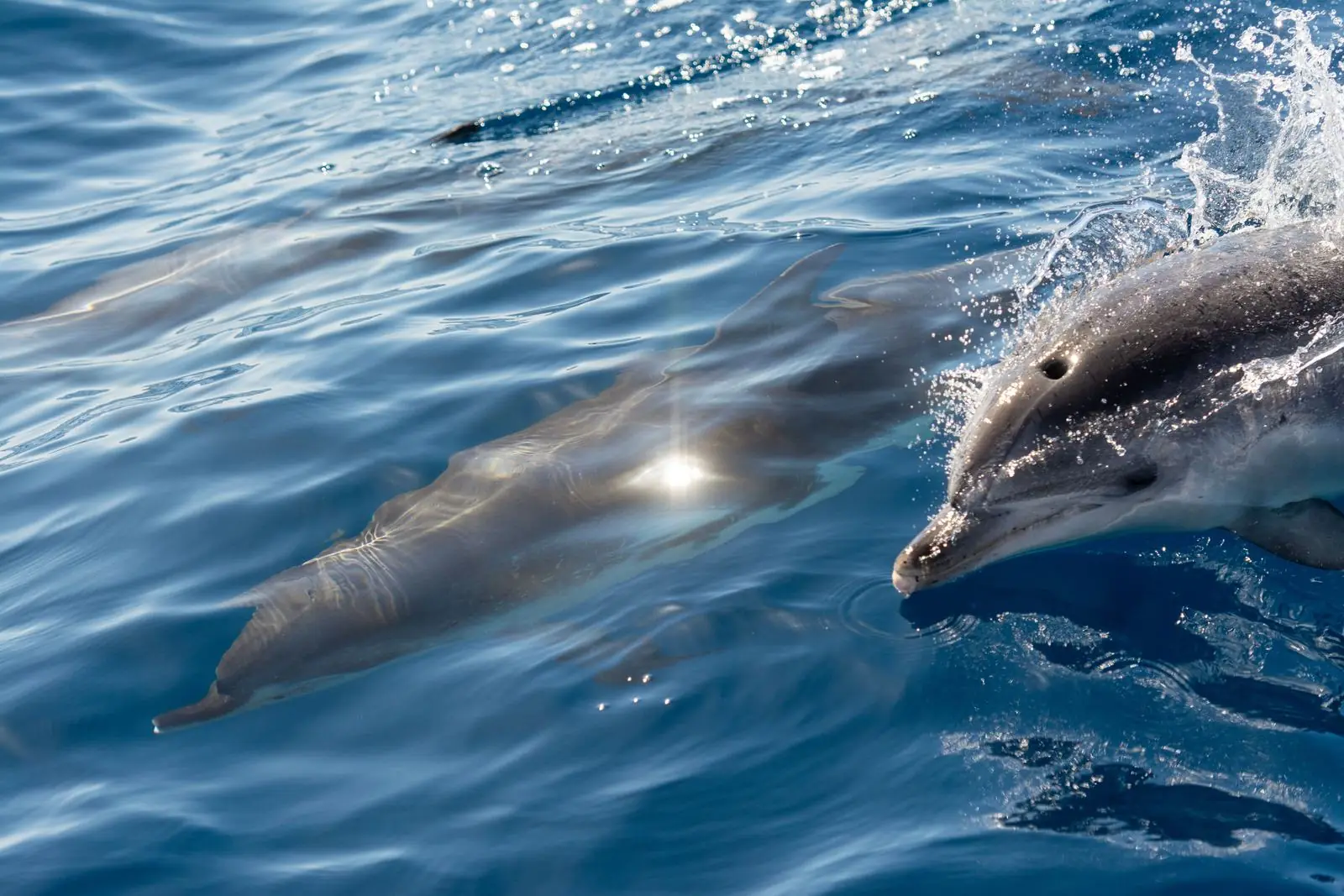
Dolphin Watching in Naples: Where, When and How
Southwest Florida has one of the densest resident bottlenose populations in the country. Knowing where the tide runs is most of the trick.
Read it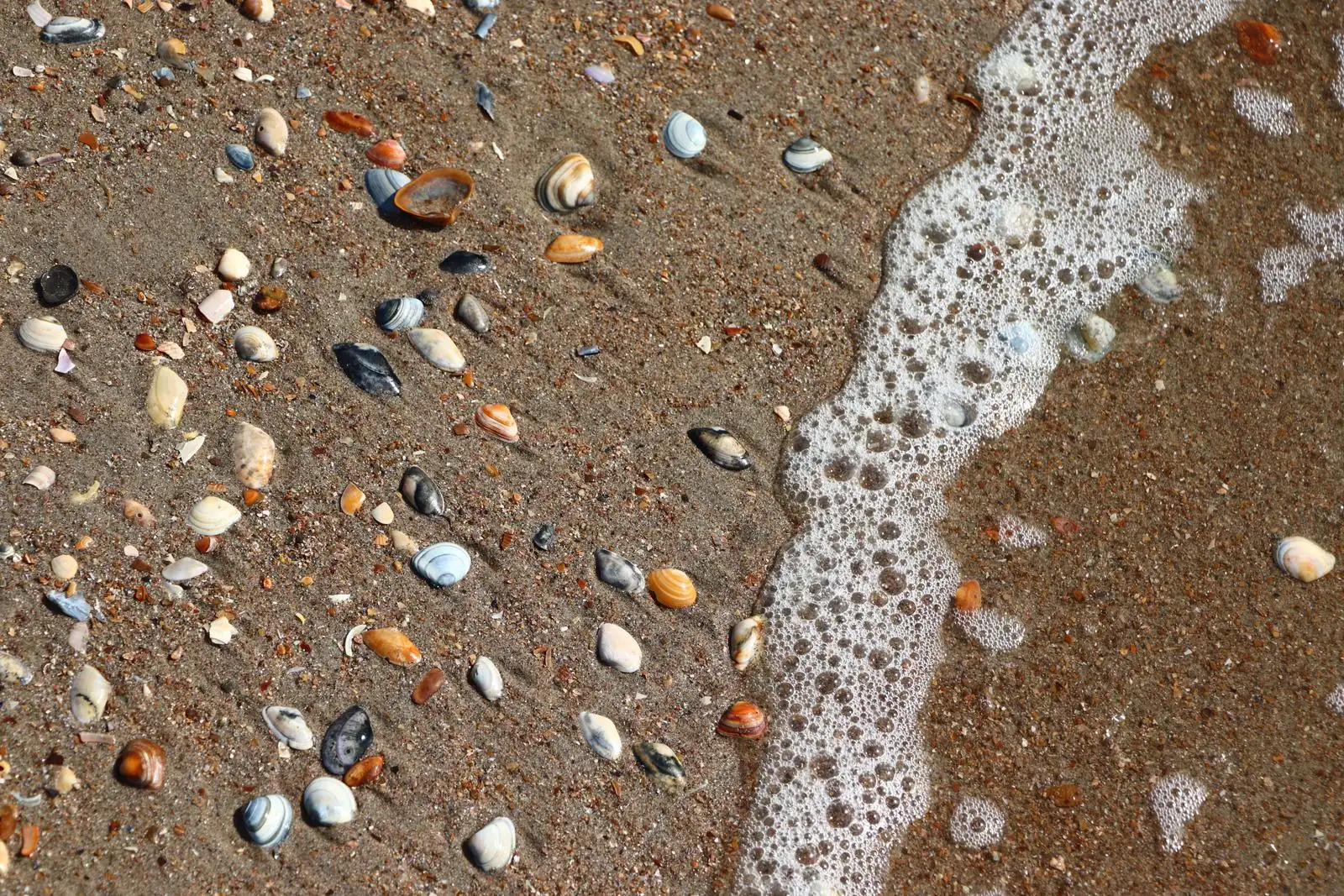 Beaches8 min
Shelling in Naples and Keewaydin Island
Southwest Florida's shelf is shallow, wide and gently sloping, which is why this coast collects shells the way other coasts collect seaweed.
Read it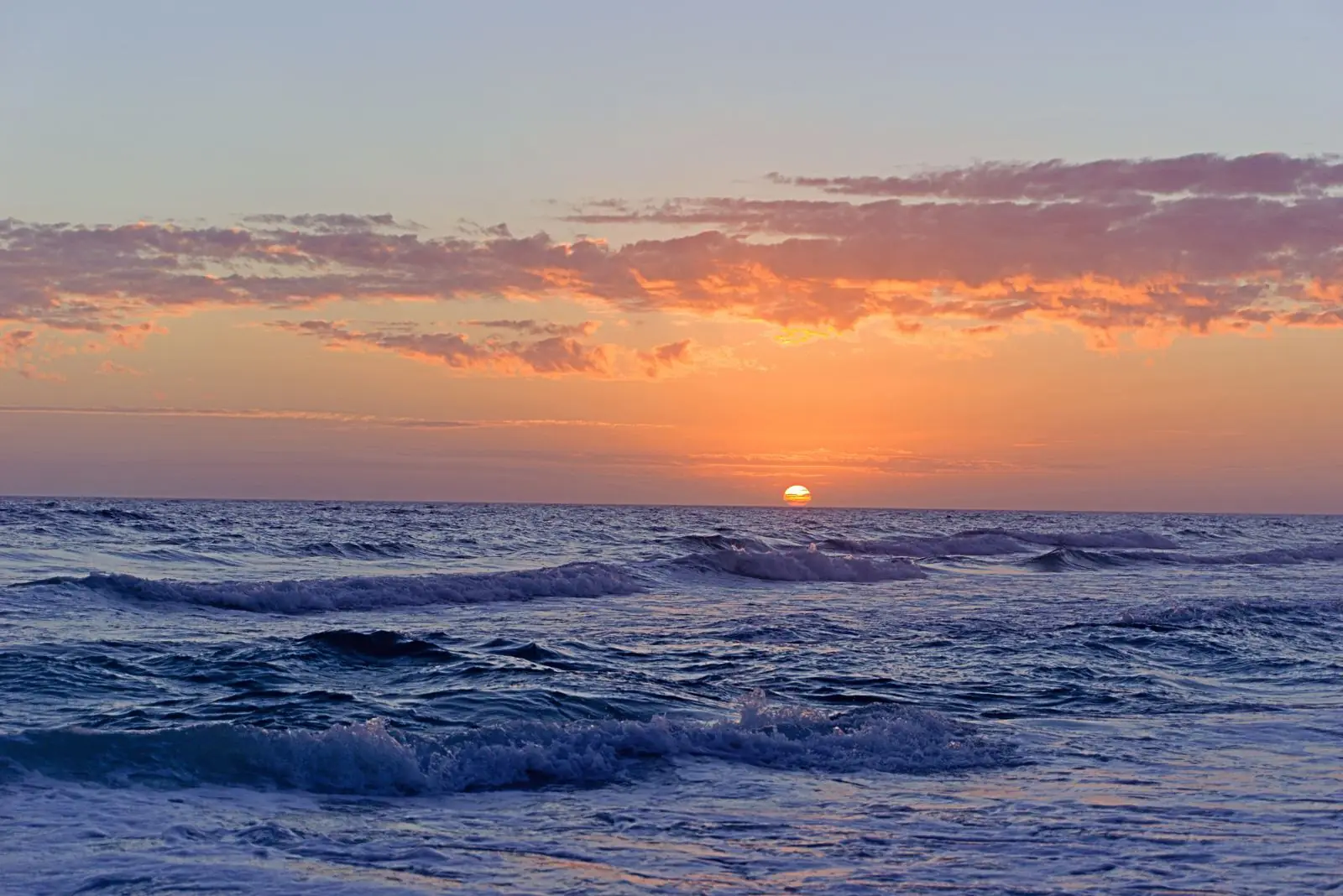 Beaches9 min
Best Sunset Spots in Naples (and How to Time Them)
Naples faces due west into open water. The whole town knows it, and at about six o'clock the whole town goes to look.
Read itItineraries14 min25 Best Things to Do in Naples, Florida
Naples rewards people who slow down. Here is what is genuinely worth your time, in the order we'd do it.
Read it