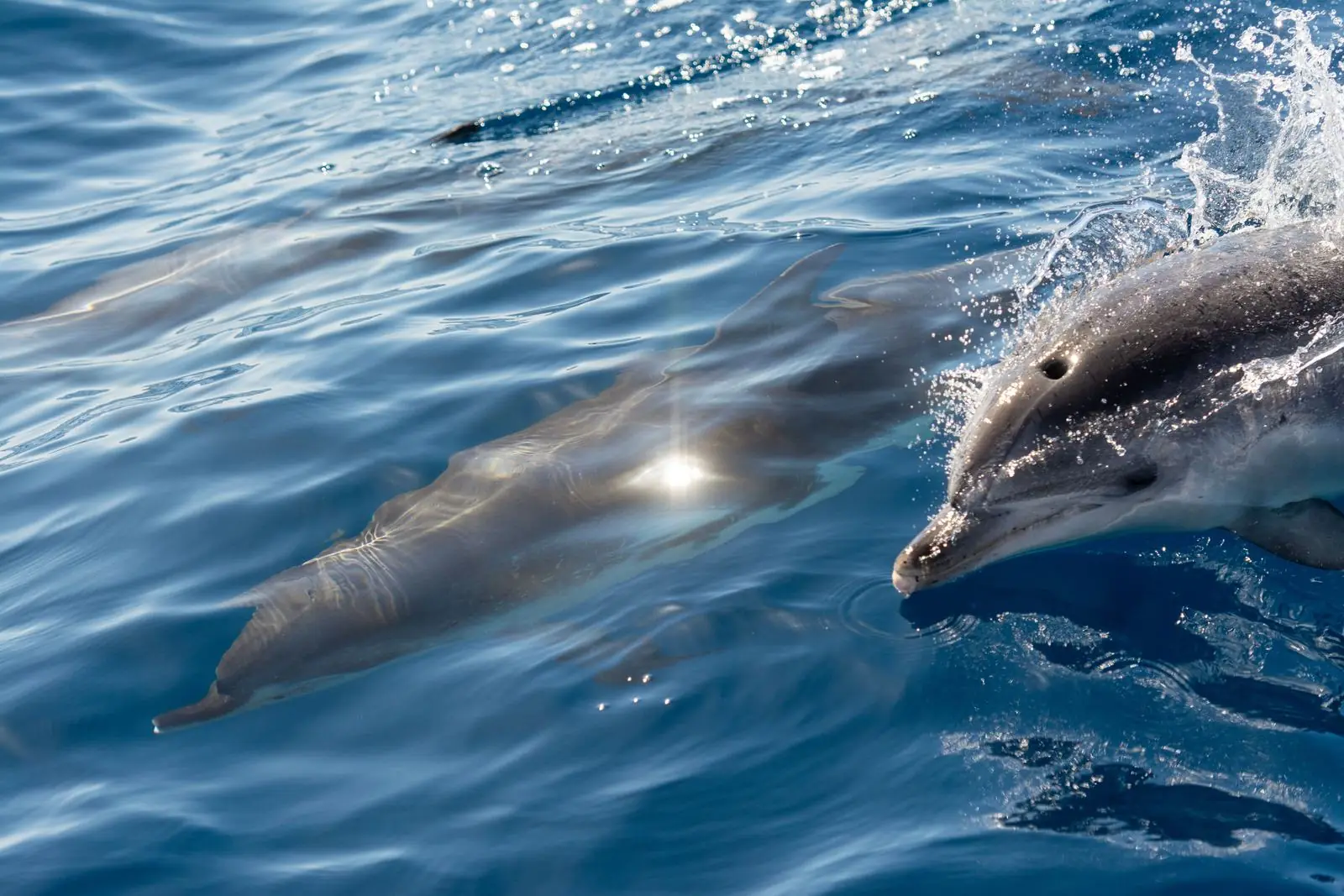
Where can you see dolphins in Naples, Florida?
Bottlenose dolphins live in Naples year-round and are most reliably seen in Gordon Pass, along the Keewaydin shoreline and in Naples Bay's channels. Sightings are best on a moving tide, early morning or late afternoon, from a boat rather than from shore.
Key facts
- Naples dolphins are resident bottlenose dolphins, present in all twelve months.
- Moving water — an incoming or outgoing tide — concentrates the fish and the dolphins.
- Gordon Pass is the single most reliable stretch of water.
- Federal law requires staying 50 yards away and never feeding wild dolphins.
Verified on the ground in Naples, Florida. Last reviewed .
The dolphins off Naples are not migratory visitors. They're resident bottlenose that live here year-round in loose, recognizable groups, working the same passes and bars every day of their lives. Which means seeing them is far less about luck than most people assume.
Fish move on the tide, and dolphins follow
Bottlenose here feed hardest on a moving tide — especially the first two hours of an outgoing tide through a pass, when bait gets flushed out of the back bays into open water and the dolphins simply wait at the choke point. Slack high or slack low is the worst time to look.
Best places to watch
- 1
Gordon Pass
By boatThe most reliable spot in the county. Bait funnels through, dolphins work the seam, and boat wakes attract them.
- 2
Naples Bay & the canals
By boatResident groups patrol the bay all day. Reliable on any run down the bay.
- 3
Wiggins Pass
Boat or shoreVisible from Delnor-Wiggins Pass State Park at the north end on an outgoing tide.
- 4
Naples Pier
Free, from shoreEarly morning, calm days. Scan the water 100–300 yards out and look for repeated dorsal fins in the same area.
- 5
Rookery Bay & Marco passes
By boatFewer boats, calmer water, and mothers with calves in the shallow back bays.
Shore vs. boat
You can absolutely see dolphins from Naples Pier or from the passes on a calm morning, and it costs nothing. What you won't get from shore is duration: a fin at 300 yards for six seconds is a different experience from twenty minutes alongside a feeding group.
Sightings are close to routine once you're on the water, so the real difference is how long you get to stay with them. A small boat can shut the engine down and drift while a group is feeding, which is when a private trip through the passes earns its cost. Either way, treat sightings as likely rather than promised.
Watching them properly
- Federal guidelines say stay 50 yards away and never approach head-on or pursue.
- Never feed a wild dolphin. It is illegal under the Marine Mammal Protection Act and it kills them — fed dolphins learn to beg around boats and propellers.
- If a group changes direction, tail-slaps or clusters tightly, you're too close. Back off.
- Mothers with calves get extra distance. Calves surface more often and tire quickly.
The NOAA Fisheries Dolphin SMART and marine mammal viewing guidelines are worth two minutes before your first trip, and any good captain here will already be following them.
Season by season
- Winter (Dec–Mar): clearest water, calmest mornings, easiest viewing.
- Spring (Apr–May): very active, excellent conditions, fewer boats than February.
- Summer (Jun–Sep): best in early morning before storms build. Calves are often visible.
- Fall (Oct–Nov): quiet water, warm Gulf, and the least crowded passes of the year.
Frequently asked
- What's the best time of day to see dolphins in Naples?
- Early morning and late afternoon, timed to the first couple of hours of an outgoing tide through Gordon Pass or Wiggins Pass. Both windows are easy to book privately — early and late departures out of Naples Bay are the quietest hours on the water.
- Can you see dolphins from shore in Naples?
- Yes. Naples Pier, the north end of Delnor-Wiggins Pass State Park and the Marco Island passes all produce regular sightings on calm days.
- Are dolphins in Naples year-round?
- Yes — the bottlenose here are resident, not migratory, so they're present in every season.
- Is it legal to swim with dolphins in Florida?
- Swimming with, feeding or harassing wild dolphins is prohibited under the Marine Mammal Protection Act. Watch from a boat or shore at a distance of at least 50 yards.
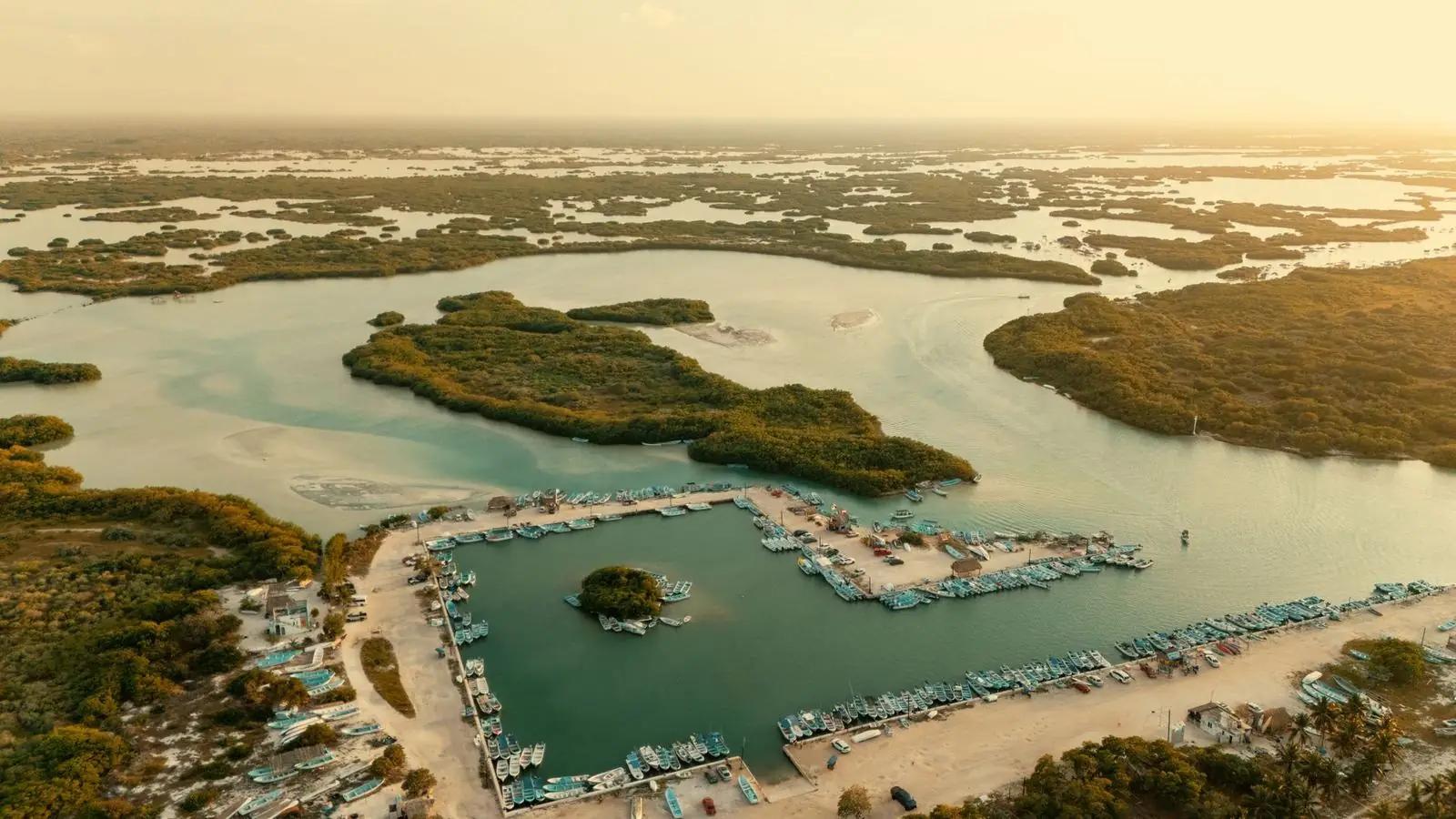 On the water11 min
Naples Boat Tours & Getting on the Water
Almost everything worth seeing in Collier County is on the water. Here's how to actually get out there without wasting a day or a lot of money.
Read it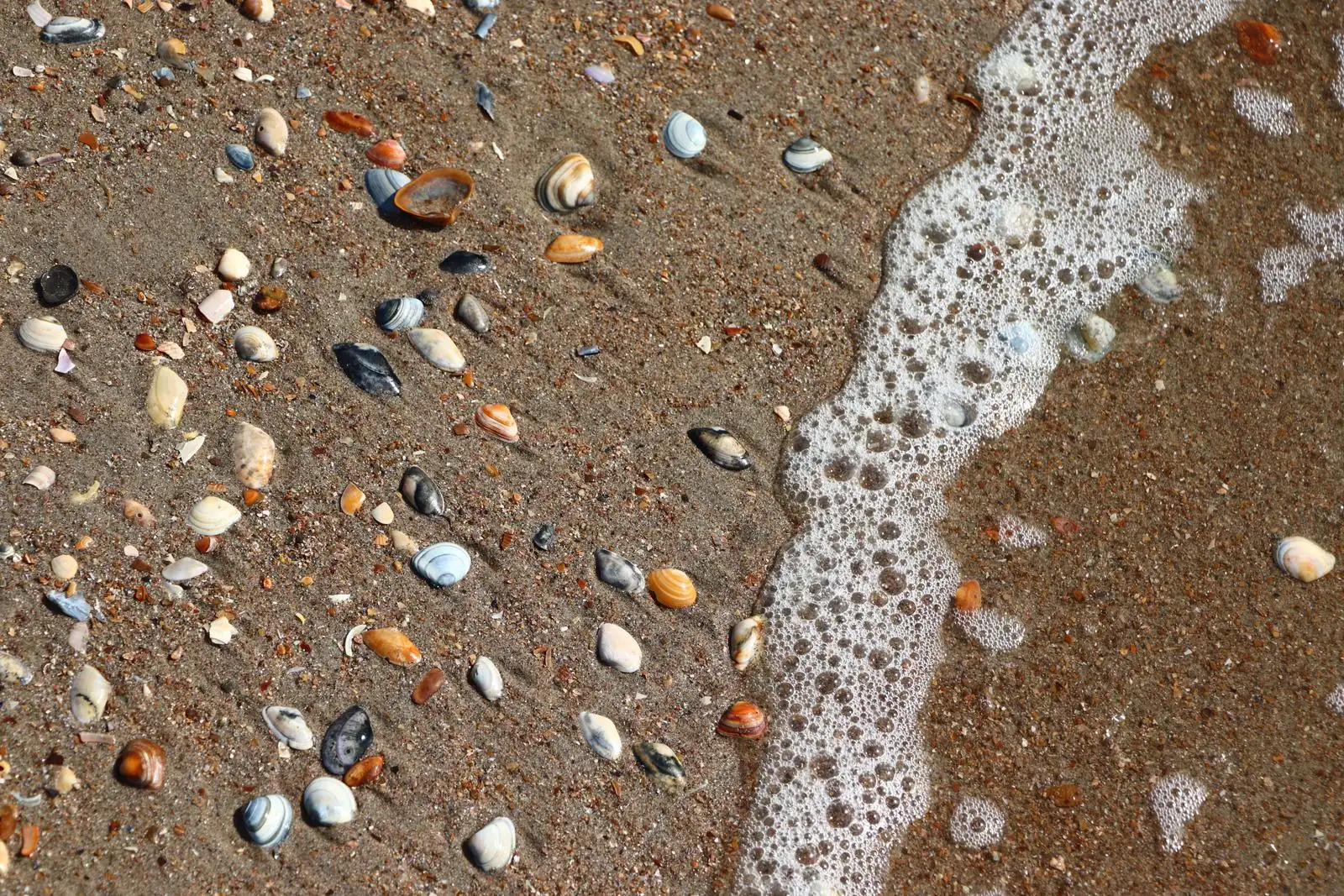 Beaches8 min
Shelling in Naples and Keewaydin Island
Southwest Florida's shelf is shallow, wide and gently sloping, which is why this coast collects shells the way other coasts collect seaweed.
Read it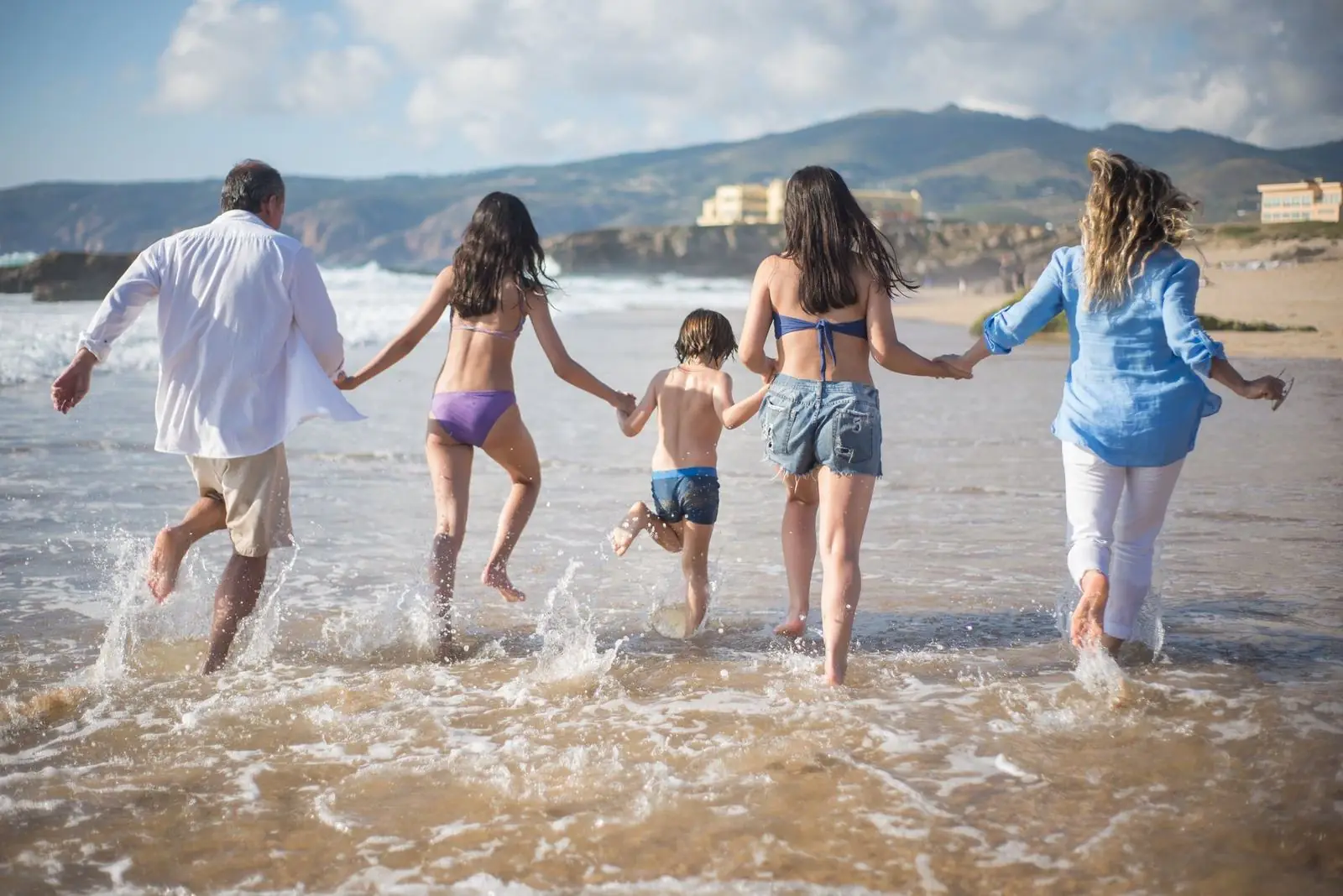 With kids9 min
Naples with Kids: A Three-Day Itinerary That Works
Naples is unusually good with young children: the Gulf is shallow and warm, distances are short, and almost everything happens outdoors.
Read it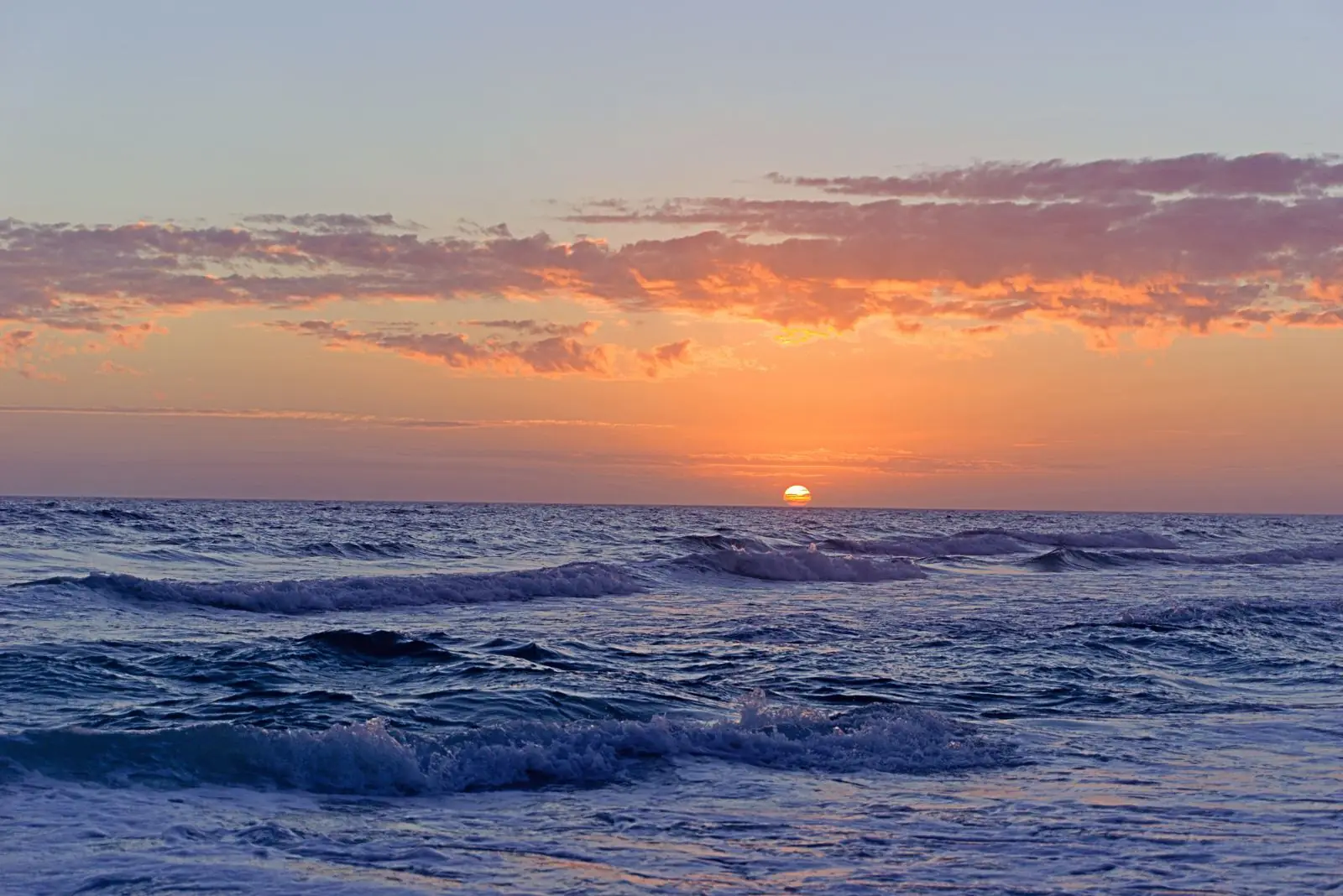 Beaches9 min
Best Sunset Spots in Naples (and How to Time Them)
Naples faces due west into open water. The whole town knows it, and at about six o'clock the whole town goes to look.
Read it