When is stone crab season in Naples, Florida?
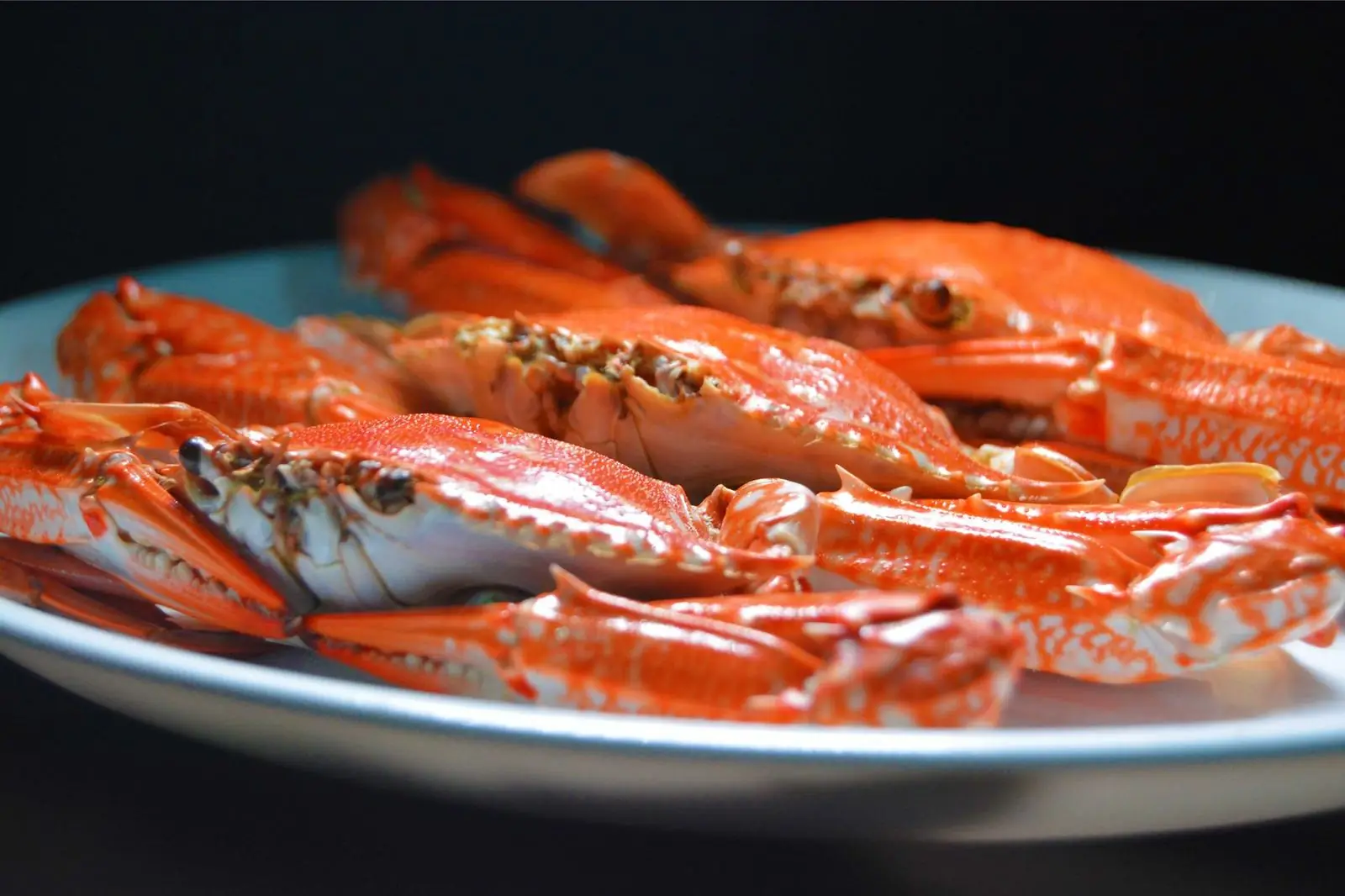
Florida stone crab season runs October 15 to May 1, and Naples is one of the best places to eat the claws. Prices are highest at the October opening, then settle; claws are always sold cooked and chilled, sized medium through colossal, with mustard sauce.
Key facts
- Season: October 15 to May 1 statewide in Florida.
- Claws are harvested, the crab returned alive to regrow them — hence the closed season.
- Always served cooked and cold; sizes run medium, large, jumbo, colossal.
- Best value in January and February, once opening-week prices ease.
Verified on the ground in Naples, Florida. Last reviewed .
Stone crab is the one local delicacy that is genuinely local. The claws on your table were almost certainly pulled from traps within sight of the coast you drove in on, often that morning, and the season is short enough that the whole town notices when it opens.
The dates
Florida's commercial stone crab season runs October 15 through May 1. Those dates are set by the state and don't move. The first week of the season is a small event in Naples — restaurants advertise it, prices are at their highest, and the claws are at their freshest.
How the sizes work
- Medium — the everyday size. Best value per bite and what most locals order.
- Large — noticeably meatier, roughly a third more per pound.
- Jumbo — impressive, expensive, and the size restaurants photograph.
- Colossal — a special-occasion order and priced like one.
Claws are always sold cooked and chilled. They are boiled at sea or dockside immediately, because the meat sticks irretrievably to the shell if it is frozen raw. If a menu offers you a hot stone crab claw, something unusual is happening.
The part people ask about
Only the claw is harvested; the crab is returned to the water alive and regrows it. Florida rules require a minimum claw size and prohibit taking claws from egg-bearing females. Regrowth takes roughly a year for a usable claw. It is not a perfect system — survival rates depend heavily on handling — but it is the reason the fishery has lasted as long as it has.

Where to eat them in Naples
Three different experiences, all valid. Waterfront fish houses on the bay serve them casually, with a view of the boats that caught them. Fifth Avenue South and Third Street South restaurants do the white-tablecloth version with a proper wine list. Seafood markets sell them by the pound to take away, which is by a wide margin the cheapest way to eat a lot of them — a pound of mediums, a lemon, a jar of mustard sauce and a rented kitchen beats any restaurant on value.
The most Naples version of the meal, though, involves picking them up from a market in the morning and eating them on the water in the afternoon — most private charters will happily let you bring a cooler aboard, which turns a tray of claws into an anchored lunch off a sandbar instead of a table indoors.
The sauce, and how to eat them
- 01Claws arrive cold and pre-cracked, or with a wooden mallet. Cold is correct — never reheat them.
- 02Tap the knuckle, not the pincer, if you're cracking your own. The shell fractures along the seam.
- 03Classic mustard sauce is mayonnaise, Colman's dry mustard, Worcestershire, cream and a squeeze of lemon. Drawn butter is a Northern import and locals will notice.
- 04Figure a pound of medium claws per person as a main, half that as a starter.
Frequently asked
- When is stone crab season in Naples, Florida?
- October 15 through May 1 every year. The dates are set by Florida's Fish and Wildlife Conservation Commission and do not change year to year.
- How much do stone crab claws cost in Naples?
- Pricing varies with catch volume and size grade, and it moves week to week. Expect the highest prices in the opening weeks of October and the best value from January through March. Buying by the pound at a seafood market is consistently cheaper than ordering the same claws at a restaurant.
- Can you eat stone crab out of season?
- Restaurants may sell frozen claws harvested during the season, but quality drops noticeably. If it matters to you, go between October and April.
- Does the crab die when the claw is taken?
- No — the crab is returned to the water and regrows the claw over about a year. Florida rules set a minimum claw size and protect egg-bearing females.
Eat & drink7 minEating on Fifth Avenue South
Eight blocks, three dozen kitchens and a strict local rhythm. Learn the rhythm and you'll eat far better than the average visitor.
Read it Itineraries8 min
The Best Time to Visit Naples, Florida
Everyone comes in February. The people who live here would tell you to come in November.
Read it Itineraries14 min
25 Best Things to Do in Naples, Florida
Naples rewards people who slow down. Here is what is genuinely worth your time, in the order we'd do it.
Read itOn the water7 minA Guide to the Sandbars Around Naples
The most desirable real estate in Collier County appears for about four hours a day and then goes back underwater.
Read it